
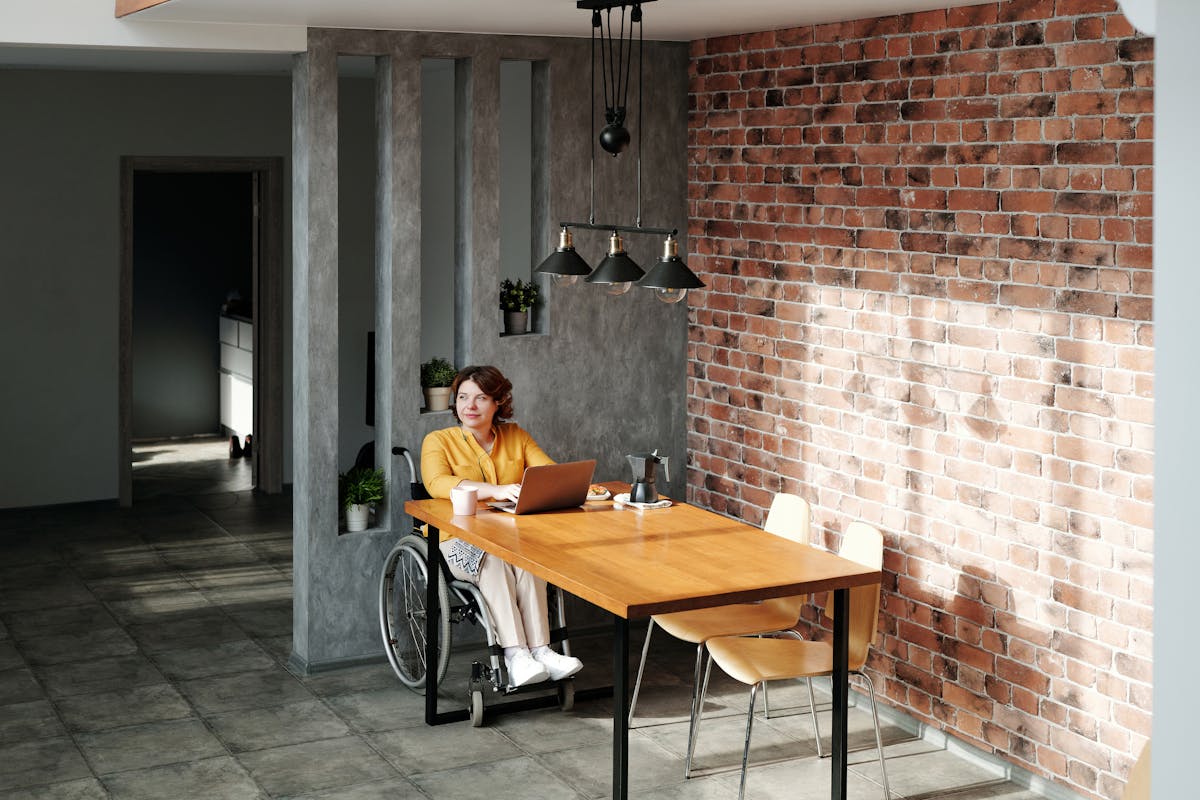
Mental health accommodations at work are reasonable adjustments to job duties, workplace environments, or company policies that help employees with mental health conditions perform their essential job functions effectively. Under the Americans with Disabilities Act (ADA) and state laws, mental health conditions qualify as disabilities when they substantially limit major life activities, making workplace accommodations a legal right, not a privilege.
With over 46 million adults in the United States experiencing mental health conditions and only 38.1% of adults with significant psychiatric disabilities employed full-time compared to 61.7% without disabilities, workplace mental health support has never been more critical. The good news? Recent legal developments have strengthened employee protections, clarifying that you don’t need to prove an accommodation is absolutely necessary—only that it’s reasonable and helps you succeed at work.
Whether you’re dealing with anxiety, depression, PTSD, or another mental health condition, understanding your rights and the accommodation process empowers you to create a more supportive work environment. At [Law Firm], we help employees navigate these complex legal protections to secure the workplace support they deserve.
Do Mental Health Conditions Qualify for ADA Protection?
Yes, mental health conditions absolutely qualify for ADA protection when they substantially limit one or more major life activities. The ADA defines disability as “a physical or mental impairment that substantially limits one or more major life activities,” and mental health conditions frequently meet this standard.
Mental health conditions that commonly qualify include major depression, anxiety disorders, PTSD, bipolar disorder, OCD, panic disorder, ADHD, schizophrenia, and personality disorders. However, having a diagnosis alone isn’t enough—your condition must create substantial limitations in areas like concentrating, thinking, communicating, sleeping, or working.
Mental Health Conditions That Qualify for ADA Protection
The most frequently accommodated mental health conditions include:
- Depression and Major Depressive Disorder: When symptoms significantly impact concentration, energy, or motivation
- Anxiety Disorders: Including generalized anxiety, social anxiety, and panic disorder that interfere with work performance
- Post-Traumatic Stress Disorder (PTSD): Particularly when triggers exist in the workplace environment
- Bipolar Disorder: During episodes that affect mood regulation and decision-making
- Obsessive-Compulsive Disorder (OCD): When compulsions or obsessions disrupt work productivity
- Attention Deficit Hyperactivity Disorder (ADHD): Affecting focus, organization, or time management
- Autism Spectrum Disorders: When social communication or sensory issues impact work performance
What Makes a Mental Health Condition a Disability Under the ADA
For your mental health condition to qualify as an ADA disability, it must substantially limit major life activities. These activities include concentrating, thinking, communicating, interacting with others, sleeping, caring for yourself, and working. The key word is “substantial”—minor limitations don’t qualify, but the threshold is lower than many people think.
You don’t need to be completely unable to perform these activities. If your condition makes these tasks significantly more difficult compared to most people, you likely meet the ADA standard. Importantly, even if your symptoms are managed with medication or treatment, you may still qualify if you’d have substantial limitations without that treatment.
Types of Reasonable Mental Health Accommodations
Mental health accommodations are modifications that help eliminate workplace barriers interfering with your productivity and well-being. Recent 2025 legal developments have clarified that employees don’t need to prove accommodations are absolutely necessary—they just need to be reasonable and helpful for performing essential job functions.
The most effective accommodations address specific challenges your mental health condition creates at work. These typically fall into three main categories: schedule and time modifications, workplace environment changes, and job duty adjustments.
Schedule and Time Accommodations
Flexible scheduling represents one of the most common and effective mental health accommodations:
- Flexible start and end times to accommodate therapy appointments or medication effects
- Modified break schedules including longer or more frequent breaks for stress management
- Permission to work from home during difficult periods or as a regular arrangement
- Compressed work weeks to reduce daily stress while maintaining full-time hours
- Time off for medical appointments without penalty to sick leave or vacation time
- Gradual return-to-work schedules following mental health leave
Workplace Environment Modifications
Environmental accommodations help create a more supportive physical workspace:
- Quiet workspace or private office to reduce sensory overload and distractions
- White noise machines or noise-canceling headphones for concentration
- Dimmed or natural lighting to reduce anxiety or sensory sensitivity
- Temperature control options when available
- Designated rest areas for breaks during difficult moments
- Removal of workplace triggers when possible and reasonable
Job Duty and Support Accommodations
Work-related modifications can address specific functional limitations:
- Written instructions instead of verbal-only directions for better retention
- Extended deadlines for projects when mental health symptoms flare
- Modified training methods that accommodate learning differences
- Backup coverage for essential tasks during difficult periods
- Regular check-ins with supervisors for support and clarity
- Access to employee assistance programs (EAPs) and mental health resources
Accommodation Examples for Specific Mental Health Conditions
Different mental health conditions often benefit from tailored accommodation approaches that address specific symptoms and challenges.
Anxiety and Panic Disorder Accommodations
Anxiety accommodations typically focus on reducing triggers and providing coping support:
- Permission to step away during panic attacks with the ability to make up time later
- Advance notice of meetings or schedule changes when possible
- Written agendas for meetings to reduce uncertainty
- Permission to have water or calming items at your desk
- Flexible scheduling around high-anxiety periods
- Option to participate in video meetings with camera off
At [Law Firm], we’ve seen clients successfully obtain anxiety accommodations that dramatically improve their work performance and job satisfaction.
Depression Workplace Support Options
Depression accommodations often address energy, motivation, and concentration challenges:
- Flexible start times during difficult mornings
- Task prioritization assistance during low-energy periods
- Regular positive feedback and goal-setting meetings
- Permission to take short walks or breaks for mood regulation
- Temporary workload adjustments during depressive episodes
- Access to natural light or light therapy lamps when possible
PTSD Work Accommodations
PTSD accommodations frequently involve managing triggers and providing safety supports:
- Quiet workspace away from high-traffic areas
- Advance warning of loud noises or sudden changes
- Flexible seating arrangements (near exits, backs to walls)
- Permission for emotional support animals where feasible
- Modified duties to avoid specific trauma triggers
- Regular breaks for grounding techniques or stress management
How to Request Mental Health Accommodations at Work
The accommodation request process typically involves three main steps: initiating the conversation, providing necessary documentation, and engaging in interactive dialogue with your employer. Most importantly, you should request accommodations as soon as you realize you need them—don’t wait until performance issues arise.
Start by identifying your specific workplace challenges and potential solutions. You’ll then need to formally request accommodations, usually in writing, and work with your employer to find reasonable solutions that work for both parties.
Writing an Effective Accommodation Request Letter
An effective accommodation request letter should include several key elements:
Essential components:
- Clear statement that you’re requesting accommodations under the ADA
- Brief explanation that you have a qualifying disability (without detailed medical information)
- Specific job tasks or workplace elements causing difficulty
- Proposed accommodation solutions
- Request for employer input on additional accommodation options
Sample language: “I am writing to request workplace accommodations under the Americans with Disabilities Act. I have a medical condition that affects my ability to [specific challenge]. I believe the following accommodations would help me perform my essential job functions effectively: [list accommodations]. I welcome the opportunity to discuss these or other potential solutions.”
The Interactive Accommodation Process
The ADA requires employers to engage in “interactive dialogue”—a collaborative conversation to identify effective accommodations. This isn’t a one-time discussion but an ongoing process that may involve several conversations as you explore different options.
Your employer should respond promptly to accommodation requests and work with you to understand your needs. They may ask for medical documentation or suggest alternative accommodations. Remember, the goal is finding reasonable solutions that work for both you and your employer.
Medical Documentation and Healthcare Provider Support
Medical documentation helps verify your need for accommodations, but employers can only request information directly related to your workplace limitations. Your healthcare provider can be a valuable ally in this process by providing targeted documentation that supports your accommodation requests.
Healthcare providers can write verification letters including your diagnosis, treatment duration, functional limitations, and specific accommodation recommendations. The key is providing enough information to justify accommodations without unnecessary medical details.
What Medical Information Employers Can Request
Employers can request medical documentation that:
- Confirms you have a qualifying disability
- Explains how your condition affects specific job functions
- Supports the need for requested accommodations
- Comes from an appropriate healthcare provider
Employers cannot request:
- Detailed medical records or treatment notes
- Information about medications or dosages
- Prognosis or detailed diagnostic information
- Genetic information or family medical history
Working with Your Healthcare Provider
Your healthcare provider can strengthen your accommodation request by:
- Focusing documentation on functional limitations rather than diagnosis details
- Recommending specific accommodations based on your work challenges
- Explaining how accommodations will improve your job performance
- Providing follow-up documentation if accommodation needs change
Employee Rights and Employer Obligations
Under the ADA, employers with 15 or more employees must provide reasonable accommodations for qualifying mental health conditions unless doing so creates “undue hardship.” You have specific rights during this process, and employers have corresponding obligations to ensure compliance.
Your rights include protection from retaliation, confidentiality of medical information, and the right to effective accommodations. Employers must respond promptly to requests and engage in good-faith dialogue to identify solutions.
Your Rights During the Accommodation Process
Key employee rights include:
- Prompt consideration of accommodation requests
- Confidential handling of medical information
- Protection from retaliation for requesting accommodations
- Interactive dialogue to explore accommodation options
- Reasonable time frames for implementing approved accommodations
- Modification of accommodations if initial solutions aren’t effective
When Employers Can Deny Accommodation Requests
Employers can only deny accommodations that would create “undue hardship”—significant difficulty or expense relative to the employer’s size and resources. They can also deny requests that would fundamentally alter essential job functions or create safety risks.
However, employers must consider alternative accommodations even if they deny your initial request. They cannot simply refuse to accommodate without exploring reasonable alternatives.
Workplace Mental Health Support Beyond Accommodations
Comprehensive workplace mental health support extends beyond individual accommodations to include employee assistance programs, wellness initiatives, and cultural changes that benefit all employees. Understanding these broader resources can complement your accommodation strategy.
Employee Assistance Programs (EAPs) provide confidential counseling and support services, with 79% of referrals in 2024 dedicated to mental health support. These programs offer an additional layer of support alongside formal accommodations.
Employee Assistance Programs and Mental Health Resources
EAPs typically provide:
- Confidential counseling sessions (usually 3-8 sessions per issue)
- Crisis intervention services available 24/7
- Referrals to mental health professionals for ongoing treatment
- Work-life balance resources including stress management tools
- Manager consultation services for supporting employees with mental health challenges
Despite their value, average EAP utilization remains around 5.5%, with many employees unaware of available services. Ask your HR department about EAP access and available mental health resources.
Building a Mentally Healthy Workplace Culture
Progressive employers are implementing comprehensive mental health initiatives:
- Mental health first aid training for managers and employees
- Stress management and resilience workshops
- Flexible work policies that support work-life balance
- Open communication about mental health without stigma
- Regular mental health check-ins and wellness surveys
Common Questions About Mental Health Accommodations
Understanding frequently asked questions can help you navigate the accommodation process more confidently and address common concerns about privacy, job security, and legal protections.
Do I Have to Disclose My Specific Mental Health Diagnosis?
No, you don’t need to disclose your specific diagnosis. You only need to inform your employer that you have a qualifying disability and explain how it affects your work performance. Your healthcare provider can provide documentation focusing on functional limitations rather than diagnostic details.
You can simply state that you have a medical condition affecting specific job functions and request accommodations under the ADA. This approach protects your privacy while providing necessary information for the accommodation process.
Can My Employer Fire Me for Requesting Accommodations?
Absolutely not. The ADA prohibits retaliation against employees who request reasonable accommodations. If you experience negative treatment, harassment, or termination related to your accommodation request, you may have grounds for a discrimination claim.
However, requesting accommodations doesn’t protect you from legitimate performance issues unrelated to your disability. The key is ensuring any performance concerns are addressed through the accommodation process rather than disciplinary action.
What If My Accommodation Request Is Denied?
If your employer denies your accommodation request, they must explain why and offer alternative solutions if available. You can:
- Request reconsideration with additional medical documentation
- Propose alternative accommodations that might be more acceptable
- File a complaint with the Equal Employment Opportunity Commission (EEOC)
- Consult with an employment attorney about your rights and options
Get the Workplace Support You Deserve
Mental health accommodations represent a fundamental right under federal and state disability laws, not a privilege your employer can arbitrarily deny. Understanding your rights, the accommodation process, and available workplace supports empowers you to create a more successful and sustainable work environment. Whether you’re dealing with anxiety, depression, PTSD, or another mental health condition, effective accommodations can make the difference between struggling at work and thriving in your career.
At [Law Firm], we understand the complexities of workplace disability law and have helped countless employees secure the mental health accommodations they need to succeed. Our experienced employment attorneys guide clients through every step of the accommodation process, from initial requests to appeals and legal action when necessary. Don’t let workplace barriers prevent you from reaching your full potential—contact us today at (212) 555-1234 or through our contact form to discuss your situation and explore your options for workplace mental health support.